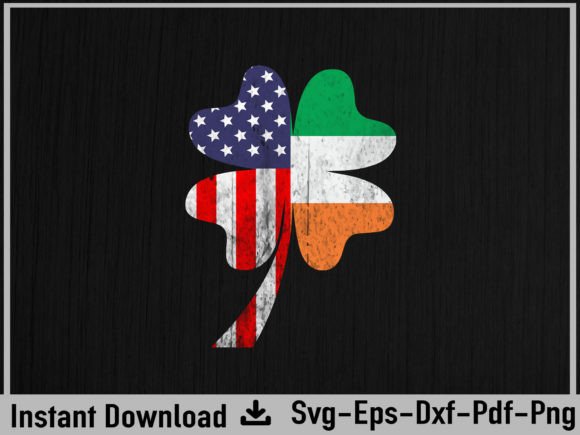
Irish American Flag Vintage
A Designer’s First Look: Charm with Clear Intent
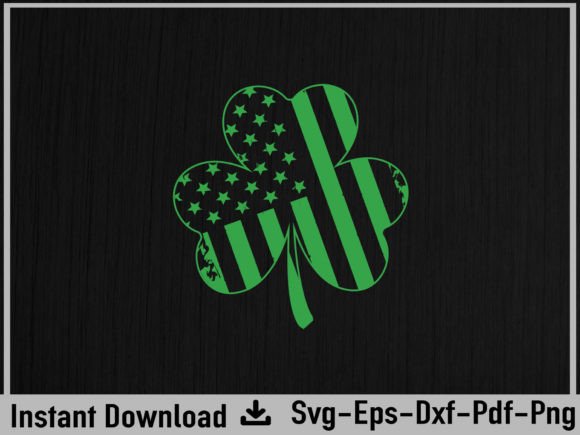
When I opened Irish American Flag Vintage, what struck me first wasn’t just the shamrock-and-stars motif—it was the quiet confidence in its composition. This isn’t a frantic mashup of symbols; it’s a balanced, slightly weathered emblem that nods to heritage without shouting. The layout feels intentional: centered, compact, and built for recognition at a glance. It leans into vintage typography and subtle line weight variation—enough character to feel handmade, but not so ornate that it fights the embroidery process. As a machine embroidery design, it reads immediately as a holiday embroidery asset—but one with staying power beyond March 17.
Where It Lives Best: Real Projects, Real Fabric
Last week, I stitched Irish American Flag Vintage onto a natural canvas tote bag for a local boutique’s St. Patrick’s Day pop-up. The result? Crisp, confident, and instantly legible—even from three feet away. That tells me this design thrives on medium-weight, stable fabrics: cotton twill aprons, midweight sweatshirts, linen tea towels, and structured pillow covers. It’s also an excellent candidate for an embroidered patch—its clean outer shape and moderate detail hold up well when cut and heat-sealed.
I’ve used it on baby onesies (with soft tear-away stabilizer) and found it charming—though I’d skip dense fill areas on ultra-thin newborn fabric unless reducing stitch density manually. For custom apparel like crewneck sweatshirts or unisex tees, it lands with warmth and authenticity. And yes—it works beautifully on holiday gifts: a kitchen towel set for a newlywed Irish-American couple, a small hoop-embroidered cap for a toddler’s first parade, even a minimalist nursery wall hanging paired with soft gray linen.
Where to Pause—and Why
This isn’t a one-size-fits-all embroidery file. On highly textured fabrics—like bouclé knit or heavy terry cloth—the finer interior lines (especially in the flag’s stripe detailing and smaller shamrock veins) can blur. Likewise, on stretchy jersey or thin rayon blends, you’ll need extra stabilization and possibly reduced density to avoid puckering. I wouldn’t push it onto curved surfaces like baseball caps without testing the placement first—the design’s width-to-height ratio means it sits best on flat or gently rounded panels.
Dark fabric demands attention: the original thread colors likely assume light backgrounds. When stitching on navy or charcoal, test contrast with olive green, cream, or gold thread—not just traditional green and white. And while the lettering is legible, it’s not oversized; avoid hooping it smaller than 3.5” wide if clarity matters for your finished product. Also note: no dense satin-stitch borders or excessive underlay are advertised, so don’t expect heavy dimensional impact—this is a clean, graphic embroidery file, not a sculptural applique design.
What It Adds to Your Handmade Product
Irish American Flag Vintage elevates perceived value without overcomplicating execution. Customers respond to its sincerity—not flashiness. On an Etsy listing, it reads as thoughtful curation: heritage-conscious, tastefully restrained, and gift-ready. For small shop owners, it supports brand consistency across seasonal collections—think matching aprons and tea towels for a café’s spring rebrand, or coordinated patches and tote bags for a craft fair booth. It doesn’t scream “mass-produced,” which builds trust with buyers seeking authentic handmade products.
As a digital embroidery file, it also performs well in printable mockups—its balanced negative space and clear silhouette translate cleanly to PNG previews, social media banners, and product tags. That matters for Etsy sellers and creative entrepreneurs who rely on visual storytelling before the first stitch hits fabric.
Practical Notes Every Embroidery Designer Should Check
- Test first—always run Irish American Flag Vintage on scrap fabric matching your final project’s weight and stretch.
- Review stitch density—if your machine struggles with tight fills or long satin runs, check whether the file uses efficient fill stitch patterns versus heavy satin stitch in small zones.
- Confirm hoop size—the design’s proportions suggest compatibility with common 4x4” or 5x7” hoops, but verify before digitizing for production.
- Inspect small details—zoom in on the star points and shamrock tips. Are they sharp enough to resolve cleanly at your intended size? If not, minor cleanup may help.
- Try black-and-white mockups—this design’s strength lies in contrast and shape, not color alone. See how it reads in monochrome for branding flexibility.
- Use appropriate stabilizer—lightweight cutaway for knits, tear-away for stable wovens, and fusible for layered garments like reversible aprons.
- Check licensing—since it’s listed under Crafts and Graphics, confirm whether commercial use (e.g., selling finished embroidered sweatshirts or digital embroidery files) is permitted. When in doubt, contact the seller before scaling.
Final Thought: A Quietly Confident Design Asset
Irish American Flag Vintage won’t dominate a busy garment, and it’s not meant to. Its power is in restraint—in offering a recognizable, respectful nod to dual heritage without leaning into cliché. For embroidery designers building a library of reliable, sellable design assets, it fills a specific, useful niche: seasonal but timeless, simple but meaningful, graphic but hand-crafted in feel. Whether you’re prepping for a holiday craft fair, launching a small batch of personalized gifts, or curating embroidery files for your Etsy shop, this is the kind of machine embroidery design that earns repeat use—not because it’s flashy, but because it works, thoughtfully, every time.