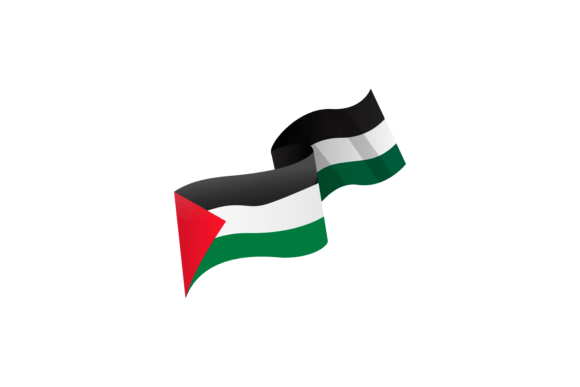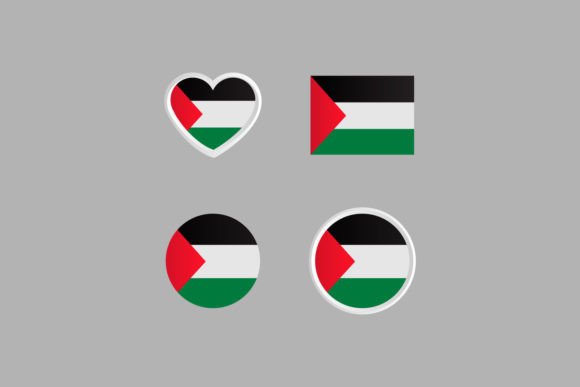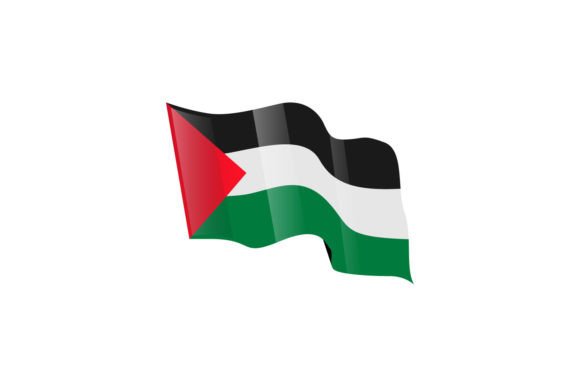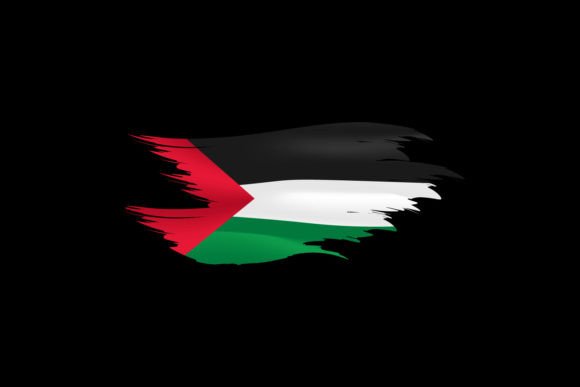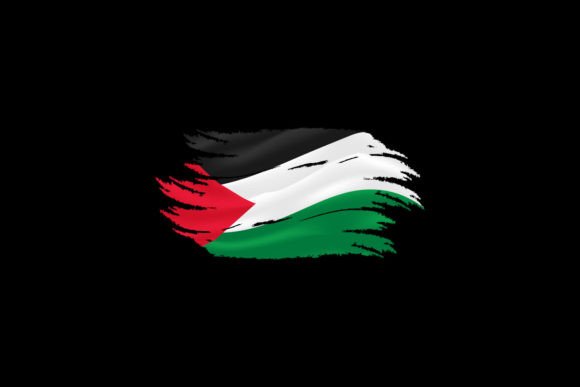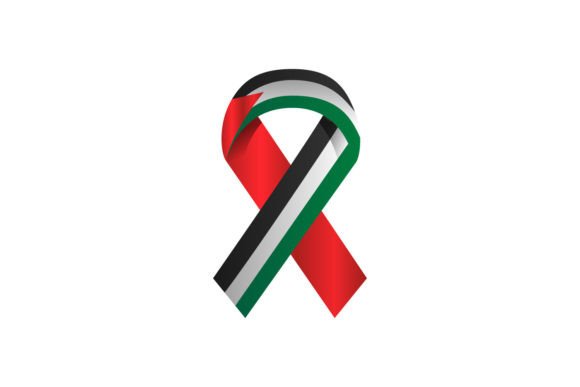
Flag Palestine on Stripe Ribbon
As a designer who’s stitched hundreds of custom projects—from boutique baby onesies to Etsy-appliquéd tote bags—I opened Flag Palestine on Stripe Ribbon expecting simplicity. What I found was something more intentional: a clean, centered emblem that balances symbolism with craft practicality. It’s not flashy or ornate—no flourishes, no gradients, no extra motifs. Just the flag rendered in bold horizontal stripes, cleanly isolated on white. That restraint is its strength.
First Impressions: Clarity Over Complexity
The moment you view the Flag Palestine on Stripe Ribbon files (AI, EPS, SVG, PNG, JPG), you notice how deliberately uncomplicated it is. The proportions are faithful, the edges crisp, and the stripe alignment precise—critical when scaling for embroidery. There’s no decorative border, no shadow, no banner curl. That means less guesswork when digitizing or adapting for stitch. For an embroidery designer, that’s golden: fewer vectors to clean up, fewer anchor points to misfire during satin stitch runs, and far less risk of “stitch bleed” on fine fabrics.
I immediately pictured it on a natural linen tea towel—centered, medium-scale, stitched in matte cotton thread. Or as a small embroidered patch on a denim jacket pocket. Not as a statement piece shouting from afar, but as a quiet, confident accent—like a well-chosen button or a hand-stitched hem.
Real-World Use: Where This Design Earns Its Place
Last week, I prepped a batch of organic cotton sweatshirts for a local maker’s pop-up. One client asked for subtle, meaningful embroidery—not logo-heavy, not trend-chasing, but grounded. Flag Palestine on Stripe Ribbon fit perfectly: scaled to 3.2" wide, stitched with a balanced fill-and-satin combo on mid-weight fleece. The result? Crisp lines, zero puckering, and a finish that felt handmade—not mass-printed. Customers paused. They touched the texture. They asked about the story behind it.
It works especially well for:
- Embroidered patches—clean edges hold up beautifully in heat-applied or sew-on versions;
- Tote bag designs—centered on canvas or heavy cotton, it reads clearly even at arm’s length;
- Baby embroidery—on soft knit onesies or muslin burp cloths, its minimal detail avoids bulk or irritation;
- Holiday embroidery—think linen pillow covers for thoughtful gifting, where tone matters more than trend;
- Commercial embroidery—small shop owners can confidently include it in curated collections without overcomplicating layouts.
Where to Proceed Thoughtfully
This isn’t a one-size-fits-all embroidery file—and that’s honest, not limiting. Because it’s a flat, graphic-based design, it shines on stable, smooth surfaces—but asks for attention in trickier contexts:
- Small hoop sizes (<4"): avoid shrinking below ~2" wide—stripe definition blurs, and satin stitch bands may merge;
- Textured or stretchy fabric (terry cloth, ribbed knits): use cutaway stabilizer + basting; test first—the clean lines rely on fabric stability;
- Dark or heavily patterned backgrounds: the white isolation in the source files helps, but always preview your thread colors in mockups—deep navy or charcoal thread adds warmth without contrast loss;
- Curved surfaces like caps: reposition the design toward the front panel’s flattest zone; avoid the crown seam where stripe alignment can distort;
- Frequent-wash items (baby towels, kitchen linens): confirm your thread and stabilizer combo holds after 3–5 gentle cycles—this design’s value lies in longevity, not just first impression.
What It Adds—Beyond Stitching
Flag Palestine on Stripe Ribbon doesn’t just embroider well—it elevates perception. On a handmade product, it signals intentionality: not decoration for decoration’s sake, but meaning anchored in craft. That builds trust with buyers who value authenticity over algorithm-driven aesthetics.
For Etsy sellers and small shop owners, it integrates smoothly into cohesive branding—paired with neutral typography, earth-tone packaging, or minimalist product photography. It doesn’t compete with your voice; it supports it. And because it’s delivered as versatile vector and raster files, you’re not locked into one use case: print it on labels, layer it into digital embroidery previews, or adapt it for printable mockups without pixelation.
Designer Notes You’ll Actually Use
Before stitching your first Flag Palestine on Stripe Ribbon project, do these five things:
- Test on scrap fabric matching your final garment—especially if using textured, thin, or dark material;
- Check thread color contrast across light and dark backgrounds; try matte black, deep olive, and warm terracotta for grounded alternatives to standard red/black/white;
- Review stitch density in your embroidery software—if digitizing yourself, keep fill stitch spacing open enough for breathability on baby items or summer apparel;
- Confirm hoop size and placement—measure your garment’s flat embroidery zone first, then scale the design accordingly;
- Verify licensing terms before selling finished products or bundling the file in digital embroidery packs—this is a Graphics asset, not a royalty-free commercial license by default.
And one more thing: look at it in grayscale. Does the stripe hierarchy still read? If yes, you’ve got a design that translates across mediums—not just embroidery, but screen printing, iron-ons, or even hand-embroidery patterns.
A Quiet Anchor in a Busy Craft Economy
In a landscape full of overdesigned SVG bundles and “trend-jacking” embroidery files, Flag Palestine on Stripe Ribbon stands out by doing less—and doing it well. It’s not background noise. It’s a deliberate pause. For crafters building slow, values-aligned businesses—or designers choosing every stitch with care—it’s a rare find: a machine embroidery design that serves both hand and heart.
Whether you’re stitching a personalized gift, launching a small batch of boutique apparel, or curating digital design assets for fellow makers, this file earns its place—not because it shouts, but because it stays clear, consistent, and quietly confident.