Brush Stroke of Palestine Flag: Graphics for Crafts & Content
As a blog designer who’s built over 200 editorial sites and managed visual libraries for digital publishers, I opened Brush Stroke of Palestine Flag expecting symbolism—but what I found was a surprisingly versatile graphic design asset with real publishing utility. It’s not just a flag motif; it’s a layered, textured brushwork element that carries warmth, authenticity, and subtle cultural resonance without sacrificing visual polish.
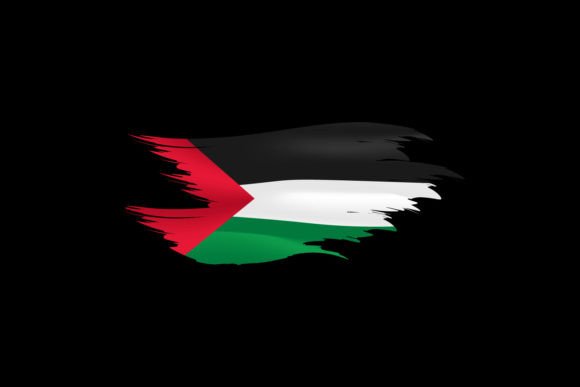
The first impression? Artistic, grounded, and quietly confident. This isn’t a flat vector emblem—it’s a hand-brushed interpretation with visible grain, soft edges, and natural pigment variation. That texture instantly signals human craft over algorithmic perfection. It leans into an artistic yet accessible editorial mood—ideal for lifestyle blogs, cultural education platforms, creative small business branding, or socially conscious affiliate content. It feels modern but not sterile, decorative but not frivolous, expressive but not overwhelming.
In my latest newsletter redesign for a Middle Eastern food and heritage blog, I tested Brush Stroke of Palestine Flag as a subtle header accent behind a serif headline. The result elevated the entire tone: more intentional, more trustworthy, more visually anchored. Readers didn’t just scroll—they paused. That pause is gold in today’s attention economy.
Where This Graphic Design Asset Earns Its Place in Real Publishing Workflows
This isn’t a one-off decorative flourish. Brush Stroke of Palestine Flag functions across multiple high-impact publishing touchpoints:
- Blog featured images — Layered behind bold typography or used as a corner accent to add depth without competing with text
- Pinterest pins — Its organic shape and warm palette stand out in crowded feeds while maintaining clarity at thumbnail scale
- Digital guides & lead magnets — Adds cultural authenticity to downloadable resources like recipe cards, language worksheets, or heritage timelines
- Newsletter headers & email banners — Serves as a respectful, non-political visual anchor for community-focused content
- Category thumbnails & website navigation accents — Helps visually distinguish sections like “Culture,” “Crafts,” or “Community Stories”
- Canva templates & social media graphics — Works beautifully as a background overlay or frame for quote posts, event announcements, or educational carousels
- Printable designs & digital products — The included SVG, EPS, and AI files scale flawlessly for wall art, greeting cards, or limited-run merch
How It Strengthens Editorial Performance—Beyond Aesthetics
Strong visuals don’t just look good—they do work. When integrated thoughtfully, Brush Stroke of Palestine Flag supports measurable content performance gains:
- Stronger first impression — Its tactile quality signals care and intentionality before a single word is read
- Clearer visual hierarchy — The directional flow of the brush stroke naturally guides the eye toward headlines or CTAs
- Better click-through potential — On Pinterest and email previews, its distinct texture increases recognition and recall
- More consistent branding — Use it across blog graphics, social media, and printables to unify your visual identity
- Improved reader trust — Authentic textures signal humanity and credibility—especially important for educational or advocacy-driven content
- Stronger visual identity — Becomes a recognizable signature element when paired with thoughtful typography and color palettes
Best Places to Deploy—And Where to Proceed With Care
Brush Stroke of Palestine Flag shines brightest in contexts where warmth, authenticity, and gentle symbolism matter: hero images, article thumbnails, Pinterest pins, editorial accents, content upgrades, downloadable resources, category visuals, newsletter headers, and social media previews.
Use it carefully in:
- Small mobile thumbnails where brush detail may blur or lose definition
- Text-heavy blog graphics where contrast could compromise readability
- Low-contrast backgrounds (e.g., light beige on cream) unless you adjust opacity or add a subtle drop shadow
- Busy layouts with dense imagery or overlapping elements—let it breathe
- Serious professional niches (e.g., legal, finance, clinical) where neutrality is expected
- Websites built on ultra-minimalist design systems—its expressive nature may clash with strict restraint
Practical Publisher Notes You’ll Actually Use
Before dropping Brush Stroke of Palestine Flag into production, run these quick checks:
- Preview it on both desktop and mobile screens—does the brush flow hold up at 320px width?
- Test it inside a real blog layout: place it behind headline text using your CMS preview mode
- Check contrast ratios—especially if overlaying white or light-colored type
- Try it in grayscale to assess tonal balance and texture retention
- Pair it beside serif, sans serif, script, handwritten, and display fonts—note which combinations feel most harmonious
- Review file sizes: PNGs should be compressed (TinyPNG or Squoosh), JPGs optimized for web, SVGs left untouched for scalability
- Confirm commercial licensing—yes, this asset includes full commercial rights, making it safe for monetized websites, affiliate marketing pages, paid digital guides, and branded merchandise
For bloggers, educators, and creative entrepreneurs building meaningful digital presence, Brush Stroke of Palestine Flag is more than decoration. It’s a quiet amplifier—enhancing editorial clarity, deepening reader connection, and reinforcing brand identity across every surface your audience touches. Whether you’re designing a Canva template for educators, a printable cultural guide, or a Pinterest-optimized blog series, this graphic design asset delivers craftsmanship, context, and cross-platform reliability. In the world of content marketing, that kind of consistency isn’t just nice—it’s necessary.