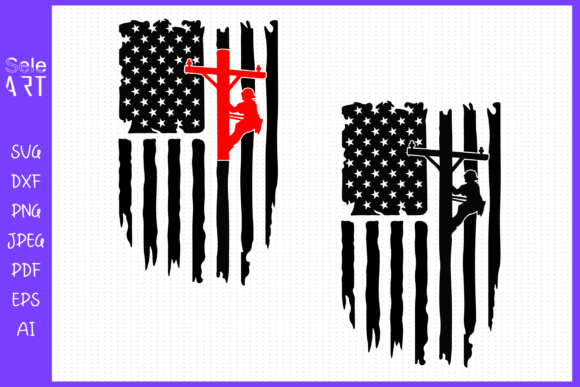
Lineman Flag: A Practical Embroidery Review
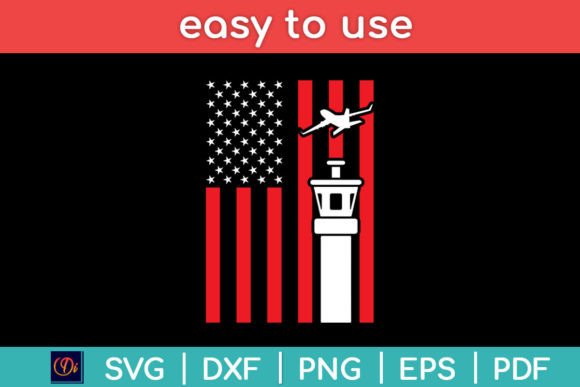
As a designer who’s stitched hundreds of custom projects—from boutique aprons to Etsy embroidery kits—I opened Lineman Flag expecting bold utility and quiet pride. What I found was a clean, confident graphic that reads instantly: strong lines, balanced negative space, and just enough detail to feel intentional—not fussy. It doesn’t shout; it stands. That matters when you’re stitching for real people who wear, gift, or display your work.
First Impressions: Where This Design Lives in the Real World
I tested Lineman Flag on a heavyweight cotton tote bag—something I’d make for a local electrician’s shop launch. The design scaled beautifully at 4.2 inches wide, centered just below the shoulder strap. No crowding. No awkward stretching. The flag’s proportions hold up whether you’re embroidering on a curved cap brim or a flat tea towel. It feels grounded, professional, and subtly patriotic without leaning into cliché—a rare win for a themed graphic.
The layout is inherently embroidery-friendly: no micro-details, no overlapping satin-stitch edges, no tiny lettering that vanishes under thread. What you see in the digital preview translates cleanly to stitch—no surprises, no “oh, that line disappeared” moments mid-hooping. That reliability saves time, thread, and client trust.
How Lineman Flag Performs Across Common Projects
Lineman Flag shines where clarity and character matter most:
- Custom apparel: On a navy sweatshirt, it reads crisply at 3.5–4.5 inches—ideal for left-chest placement. The flag’s vertical emphasis avoids distortion on ribbed knit fabric.
- Embroidered patches: With minimal fill stitch density and clean outer edges, it presses well and holds shape after sewing onto jackets or tool bags.
- Baby embroidery: Used on a soft cotton onesie (with lightweight stabilizer), the design stays gentle—no stiff, bulky areas. Perfect for a lineman dad’s baby shower gift.
- Holiday or wedding gifts: Paired with neutral thread (charcoal gray + cream), it becomes unexpectedly elegant on linen pillow covers or monogrammed kitchen towels.
- Small shop product: As a ready-to-embroider digital embroidery file, it works seamlessly in printable mockups for Etsy listings—clean, scalable, and instantly recognizable as craft-quality, not clipart.
It also adapts well to layered branding: stitch it solo on a cap, then pair it with a subtle “Est. 2012” running stitch underneath for a small business owner’s merch line.
Where to Use Lineman Flag Thoughtfully
This isn’t a one-size-fits-all design—and that’s a strength. Here’s where attention pays off:
- Small hoop sizes: At under 3 inches wide, fine details hold—but test the outer flag stripe width first. Some machines compress narrow satin stitches on tight curves.
- Textured or stretchy fabric: On terry cloth towels or jersey knits, use cutaway + tear-away stabilizer combo. The design’s open structure helps prevent puckering, but don’t skip stabilization.
- Dark or black fabric: Light thread (ecru, light gray) pops cleanly. Avoid white on black unless you’re using high-sheen polyester—it can look washed out after washing.
- Curved surfaces like caps: Center the design on the front panel—not too high—to avoid distortion at the crown seam. The flag’s vertical balance helps here.
- Frequent-wash items: Confirm stitch density isn’t overly dense in the flag’s field area. Too much fill stitch = stiffness + faster thread wear. A light fill or strategic running-stitch outline keeps it wearable.
What Lineman Flag Adds to Your Finished Product
It elevates perceived value—not through complexity, but through intention. A customer receiving a Lineman Flag-embroidered apron doesn’t just get a tool; they get identity, pride, and craftsmanship in one clean mark. That builds trust. That makes your handmade product feel considered—not assembled.
For Etsy sellers and craft fair vendors, this design supports brand consistency across product lines: same flag on a patch, a mug wrap (via iron-on transfer), and a greeting card. It bridges physical and digital craft business needs—whether you’re selling embroidered goods or digital embroidery files.
And because it’s rooted in a real trade—linemen—it resonates emotionally. Not just “cool graphic,” but “this person *gets* it.” That kind of resonance drives repeat buyers, social shares, and word-of-mouth referrals.
Designer Notes You’ll Actually Use
Before stitching Lineman Flag on your next project, do these five things:
- Test it on scrap fabric matching your final substrate—especially if using textured, dark, or stretchy material.
- Check thread color contrast in natural light *and* under indoor lighting. What looks sharp on screen may blur on fabric.
- Review stitch density visually in your embroidery software—look for any overfilled zones that could cause stiffness or shadowing.
- Confirm your hoop size accommodates the design comfortably—no cramming near the edge, especially on smaller versions.
- Run a black-and-white mockup. If the flag’s shape and hierarchy hold up in grayscale, it’ll hold up in real life.
And always verify licensing before selling finished items or digital embroidery files. Since Lineman Flag is listed for Cricut or Silhouette use—including mugs, overlays, decals, and iron-ons—double-check whether commercial embroidery rights are included. When in doubt, reach out to the seller directly. Clarity now prevents headaches later.
Bottom line? Lineman Flag is a quiet standout in the Crafts category—not flashy, not fragile, but deeply functional. It’s the kind of graphics asset that earns repeat use across seasons, clients, and product types. For embroidery designers, small shop owners, and makers who value both aesthetic integrity and real-world performance, it’s worth keeping in your active design rotation.